
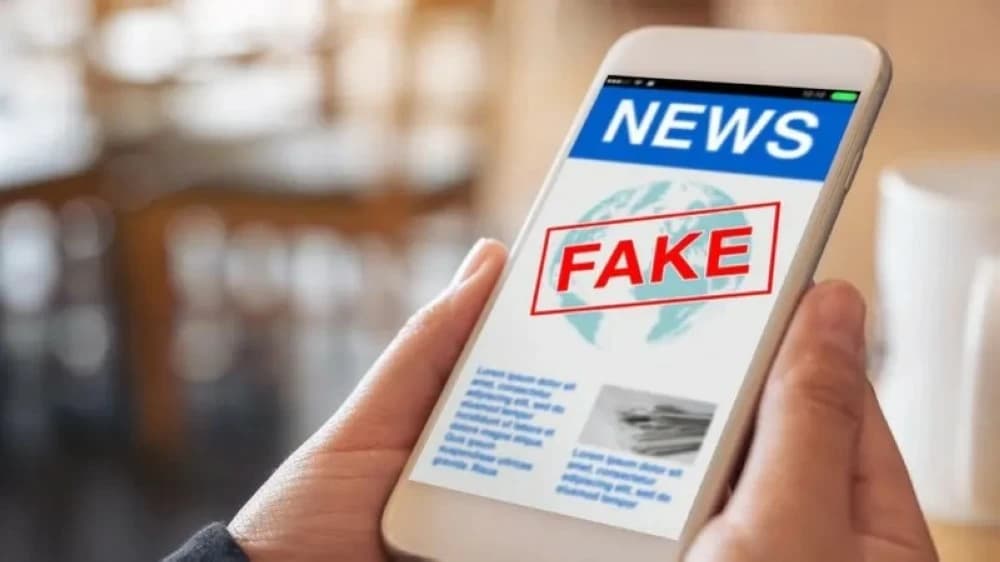
في عصر يتسارع فيه الذكاء الاصطناعي التوليدي، أصبح من الممكن رؤية مقاطع فيديو وصوت تبدو حقيقية لأشخاص يقولون أو يفعلون أشياء لم تحدث أصلًا. هذه الظاهرة لم تعد محصورة على التجارب البحثية أو الترفيه، بل تحولت إلى أداة قوية للتضليل الإعلامي، وابتزاز الأفراد، ونشر الشائعات، وحتى التأثير في الاستقرار السياسي والاجتماعي.
وحذر رئيس وحدة الذكاء الاصطناعي والأمن السيبراني بمركز العرب للأبحاث والدراسات الدكتور محمد محسن رمضان من أن هذه التقنيات تمثل تهديدًا غير مسبوق لمصداقية الأخبار، مشيرًا إلى أن أدوات التزييف أصبحت سهلة الاستخدام وعالية الواقعية، ما يعني أن أي شخص يمكنه إنتاج محتوى مزيف في دقائق معدودة.
وقال رمضان إن أدوات كشف التزييف أصبحت متاحة للجمهور، ومن أبرزها:
بدوره، ذهب مساعد وزير الداخلية المصري الأسبق اللواء محمد رجائي إلى أن هناك علامات أولية يمكن من خلالها اكتشاف التزييف، مثل حركة العين غير الطبيعية، والصوت غير المتناسق مع تعابير الوجه، واختلاف الإضاءة، أو الظلال غير الواقعية، لكنه شدد على أن هذه العلامات وحدها لا تكفي، ويجب الجمع بينها وبين أدوات التحليل المتقدمة.
وللحماية، ينصح الخبراء بعدم إعادة نشر أي محتوى صادم قبل التأكد من صحته، مع استخدام أكثر من أداة كشف، وتفعيل إعدادات الخصوصية، والاحتفاظ دائمًا بالنسخ الأصلية للصور والفيديوهات. فمع سرعة انتشار المحتوى الرقمي، أصبح التحقق الرقمي أمرًا لا غنى عنه لتجنب الوقوع ضحية التزييف العميق.
In an era where generative artificial intelligence is accelerating, it has become possible to see videos and audio that appear real of people saying or doing things that never actually happened. This phenomenon is no longer confined to research experiments or entertainment; it has turned into a powerful tool for media deception, blackmailing individuals, spreading rumors, and even influencing political and social stability.
Dr. Mohamed Mohsen Ramadan, head of the Artificial Intelligence and Cybersecurity Unit at the Arab Center for Research and Studies, warned that these technologies represent an unprecedented threat to the credibility of news, noting that the tools for forgery have become easy to use and highly realistic, meaning that anyone can produce fake content in just a few minutes.
Ramadan stated that tools for detecting forgery have become available to the public, among which are:
For his part, former Egyptian Assistant Minister of Interior Major General Mohamed Ragab pointed out that there are initial signs that can be used to detect forgery, such as unnatural eye movement, voice that does not match facial expressions, differences in lighting, or unrealistic shadows. However, he emphasized that these signs alone are not sufficient and must be combined with advanced analytical tools.
To protect oneself, experts advise against reposting any shocking content before verifying its accuracy, using more than one detection tool, activating privacy settings, and always keeping original copies of images and videos. With the rapid spread of digital content, digital verification has become indispensable to avoid falling victim to deepfakes.
هل يمكنك كشف فيديو الذكاء الاصطناعي المزيف؟
٢٠ مارس ٢٠٢٦
٦٢ مشاهدة
5 دقائق قراءة
كن أول من يعلم!
اشترك في قنواتنا على وسائل التواصل الاجتماعي لتصلك أهم وأحدث أخبار تهامة واليمن العاجلة فور حدوثها.
التعليقات (0)