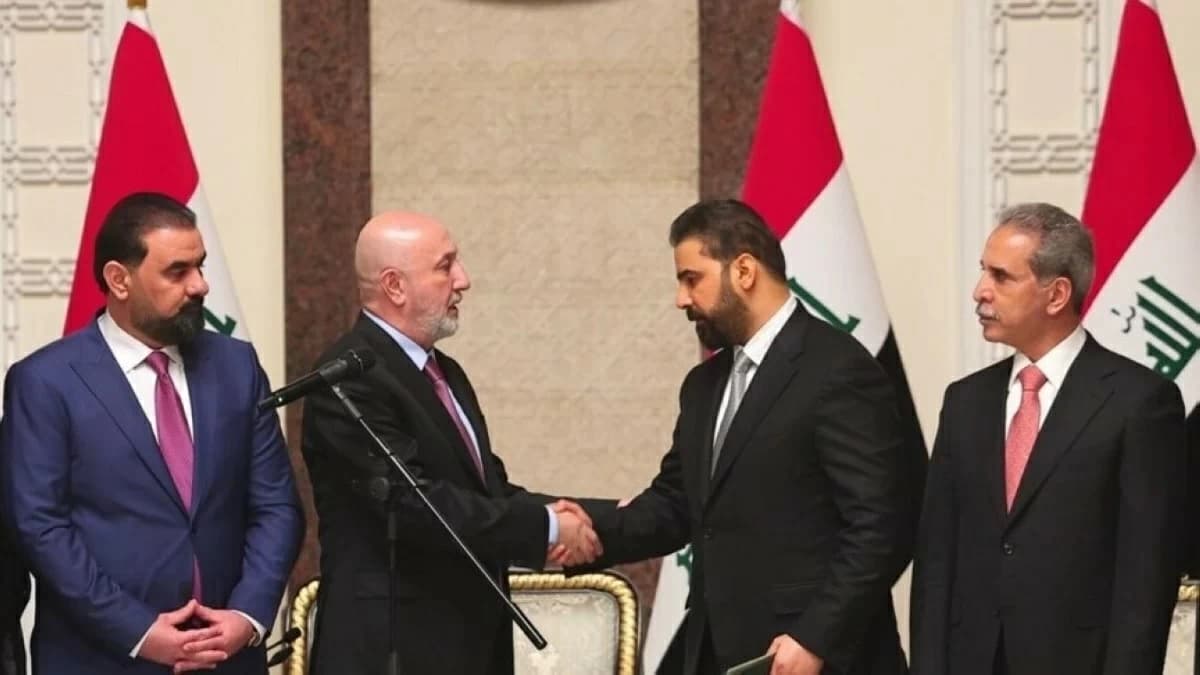
تواجه عملية تشكيل الحكومة العراقية الجديدة برئاسة علي الزيدي ثلاث عقد رئيسية، اثنتان خارجيتان تتصلان بواشنطن وطهران، وثالثة داخلية ترتبط بصراع الحصص والنفوذ، إضافة إلى عقدة الفصائل المسلحة.
وعزا مرجع عراقي سبب عدم حسم تشكيلة الحكومة الجديدة حتى الآن إلى قرار لجنة الإطار التنسيقي الحاكم المتعلق بحصر سلاح الفصائل، إذ تصر بعض الفصائل على رفض نزع أسلحتها وهو ما ألمح إليه المرجع بأن ذلك سيكون السبب المباشر لانسحاب الزيدي من تشكيل الحكومة.
وصنفت لجنة الإطار التنسيقي الفصائل إلى أربع فئات منها: الفصائل المنضوية ضمن الحشد الشعبي ولم تشارك في الحرب القائمة بين أمريكا وإسرائيل من جهة وإيران من جهة أخرى، لكنها تحتفظ بعنوانها الفصائلي وبسلاحها الخاص وهذه يجب دمجها بشكل كامل بهيئة الحشد وتتخلى عن عناوينها مثل سرايا السلام وسرايا عاشوراء وغيرها.
وهناك فصائل أخرى شاركت إلى جانب إيران بالحرب القائمة والتي يجب أن تسلم سلاحها وتندرج جميع عناصرها ضمن هيئة الحشد الشعبي إلا أنها ترفض تسليم سلاحها إلى جهاز مكافحة الإرهاب، وثمة فصائل خارج هيئة الحشد الشعبي ولم تشارك بالحرب وهي ترفض تسليم سلاحها، إضافة إلى فئة أخرى وهي الأجنحة المسلحة للأطراف السياسية ولها تمثيل مهم بالحكومة، وبالتالي عليها أن تنهي تواجدها المسلح خارج سلطة المؤسسة الأمنية أو الحشدية.
وشكل تأخير تنفيذ قرار حصر السلاح بيد الدولة، عقبة أمام الإعلان عن حكومة الزيدي، إضافة إلى الخلافات داخل الإطار التنسيقي حول تقاسم الحقائب الوزارية، حيث يمتلك الإطار نحو 12 وزارة في الحكومة المرتقبة قد ترتفع إلى 13 من أصل 22 وزارة 4 منها سيادية بعد استبعاد وزارة التخطيط من حسابات الوزارات السيادية، فيما تتنافس الكتل الكبرى على الحقائب الأكثر نفوذاً خصوصاً النفط والداخلية.
ويُفترض أن يحصل ائتلاف «الإعمار والتنمية» بزعامة محمد شياع السوداني وائتلاف نوري المالكي على 3 وزارات لكل منهما، مقابل وزارتين لكل من تيار الحكمة وعصائب أهل الحق ومنظمة بدر.
لكن فريق السوداني يرفض هذه الصيغة انطلاقاً من كونه «الكتلة الأكبر» بأكثر من 50 نائبا، كما يعترض على نوعية الوزارات المعروضة عليه خصوصا النفط والكهرباء والزراعة، ويطالب بوزارة الداخلية إلى جانب حقيبة سيادية أخرى.
وفي موازاة الاشتباك على النفط تدور معركة أخرى أكثر حساسية على وزارة الداخلية، وتقول مصادر سياسية إن جناح المالكي يدفع باتجاه ترشيح ياسر صخيل صهر المالكي للمنصب وهو ما يرفضه معسكر السوداني، فيما يطرح آخرون أن يختار علي الزيدي بنفسه مرشح الداخلية على غرار ما فعله السوداني عام 2022 بينما يدعو فريق رابع إلى التجديد لعبد الأمير الشمري.
وحسب مصادر عراقية، فإن الخلاف لا يقتصر على الحقائب فقط، بل يمتد إلى عودة شخصيات من «الحرس القديم» مثل أحمد الأسدي وفالح الفياض وطيف سامي في مقابل اتجاه داخل بعض القوى لعدم إعادة تدوير الوجوه التي شاركت في الحكومات السابقة.
وفي البيت السني، تبدو الصورة أكثر تعقيداً بعد انقسام «المجلس السياسي الوطني» إثر ابتعاد مثنى السامرائي عن تفاهمات محمد الحلبوسي وخميس الخنجر وتقديمه قائمة منفصلة لمرشحي الوزارات.
ومن المفترض أن تحصل القوى السنية على ست وزارات أبرزها الدفاع والثقافة والتربية وسط ترجيحات بأن ينال الحلبوسي ثلاث حقائب منها، لكن العقدة الأعمق تبقى في حصة الفصائل المسلحة داخل الحكومة الجديدة فالجماعات القريبة من إيران تمتلك اليوم نحو 100 مقعد داخل البرلمان ما يجعل استبعادها من السلطة أمراً بالغ الصعوبة.
في غضون ذلك، ترجح أوساط زعيم التيار الصدري أن تواجه الحكومة القادمة مصير حكومة عادل عبد المهدي إذا لم تستجب لشروط الإصلاح، مشيرة إلى أن مقتدى الصدر منح الزيدي رضا مشروطاً لمدة 90 يوماً مقابل إبعاد الفصائل المسلحة وفتح ملفات الفساد وعلى رأسها قضية نور زهير المعروفة بـ«سرقة القرن».
وتتحدث أوساط سياسية عن قائمة أمريكية تضم 6 فصائل ممنوعة من المشاركة في حكومة الزيدي من بينها: كتائب حزب الله وحركة النجباء وكتائب سيد الشهداء وأنصار الله الأوفياء، وسط معلومات تشير إلى أن القائمة قد تكون أوسع.
فهل يعتذر رئيس الوزراء المكلف عن تشكيل الحكومة؟، إن حدث الأمر، فإنه يعيد العراق مجدداً إلى نقطة الصفر ويفتح الباب أمام البحث عن مرشح بديل لرئاسة الوزراء بعد أزمة امتدت لنحو ستة أشهر، ما يدخل البلاد في فراغ دستوري.
The formation of the new Iraqi government led by Ali Al-Zaydi faces three main obstacles: two external ones related to Washington and Tehran, and a third internal one related to the struggle for shares and influence, in addition to the issue of armed factions.
An Iraqi reference attributed the reason for the delay in finalizing the new government formation to the decision of the ruling coordination framework committee regarding the restriction of the weapons of the factions. Some factions insist on refusing to disarm, which the reference hinted would be the direct reason for Al-Zaydi's withdrawal from forming the government.
The coordination framework committee classified the factions into four categories, including: the factions that are part of the Popular Mobilization Forces and did not participate in the ongoing war between America and Israel on one side and Iran on the other. However, they retain their factional title and their own weapons, and these must be fully integrated into the Popular Mobilization Authority and abandon their titles such as Saraya Al-Salam, Saraya Ashura, and others.
There are other factions that participated alongside Iran in the ongoing war, which must hand over their weapons and have all their elements included in the Popular Mobilization Authority, but they refuse to hand over their weapons to the Counter-Terrorism Service. Additionally, there are factions outside the Popular Mobilization Authority that did not participate in the war and refuse to hand over their weapons, along with another category which includes the armed wings of political parties that have significant representation in the government. Therefore, they must end their armed presence outside the authority of the security or mobilization institution.
The delay in implementing the decision to restrict weapons to the state has posed an obstacle to the announcement of Al-Zaydi's government, in addition to the disputes within the coordination framework regarding the distribution of ministerial portfolios. The framework holds about 12 ministries in the anticipated government, which could rise to 13 out of 22 ministries, 4 of which are sovereign after excluding the Ministry of Planning from the calculations of sovereign ministries, while the major blocs compete for the most influential portfolios, especially oil and interior.
It is expected that the "Reconstruction and Development" coalition led by Muhammad Shia Al-Sudani and Nouri Al-Maliki's coalition will each receive 3 ministries, while the Wisdom Movement and Asa'ib Ahl Al-Haq and Badr Organization will each receive 2 ministries.
However, Al-Sudani's team rejects this formula based on its status as the "largest bloc" with more than 50 deputies, and it also objects to the types of ministries offered to it, especially oil, electricity, and agriculture, demanding the Ministry of Interior alongside another sovereign portfolio.
Alongside the struggle over oil, another more sensitive battle is taking place over the Ministry of Interior. Political sources say that Al-Maliki's wing is pushing for the nomination of Yasser Sakhil, Al-Maliki's son-in-law, for the position, which is rejected by Al-Sudani's camp. Others suggest that Al-Zaydi should choose the Interior nominee himself, similar to what Al-Sudani did in 2022, while a fourth team calls for renewing Abdul Amir Al-Shammari's position.
According to Iraqi sources, the disagreement is not limited to the portfolios alone but extends to the return of figures from the "old guard" such as Ahmad Al-Asadi, Faleh Al-Fayyad, and Taif Sami, in contrast to a trend within some forces to avoid recycling the faces that participated in previous governments.
In the Sunni house, the picture appears more complicated after the division of the "National Political Council" following Muthanna Al-Samarrai's distancing from the understandings of Muhammad Al-Halbousi and Khamis Al-Khanjar and his presentation of a separate list of ministerial candidates.
It is expected that the Sunni forces will obtain six ministries, the most prominent of which are Defense, Culture, and Education, with indications that Al-Halbousi may receive three of these portfolios. However, the deeper obstacle remains in the share of the armed factions within the new government, as groups close to Iran currently hold about 100 seats in parliament, making their exclusion from power extremely difficult.
Meanwhile, circles around the leader of the Sadrist movement suggest that the upcoming government may face the same fate as Adel Abdul Mahdi's government if it does not respond to reform conditions, noting that Muqtada Al-Sadr granted Al-Zaydi conditional approval for 90 days in exchange for distancing the armed factions and opening corruption files, foremost among them the well-known "Century Theft" case of Noor Zahir.
Political circles are discussing an American list that includes 6 factions banned from participating in Al-Zaydi's government, including: Hezbollah Brigades, Al-Nujaba Movement, Sayyid Al-Shuhada Brigades, and Ansar Allah Al-Awfiya. There are indications that the list may be broader.
So, will the designated Prime Minister withdraw from forming the government? If this happens, it would bring Iraq back to square one and open the door to searching for an alternative candidate for the premiership after a crisis that has lasted for about six months, plunging the country into a constitutional vacuum.
عاجل | 3 عقد سياسية تعرقل ولادة الحكومة العراقية الجديدة
١٣ مايو ٢٠٢٦
١٩ مشاهدة
5 دقائق قراءة
كن أول من يعلم!
اشترك في قنواتنا على وسائل التواصل الاجتماعي لتصلك أهم وأحدث أخبار تهامة واليمن العاجلة فور حدوثها.
التعليقات (0)